

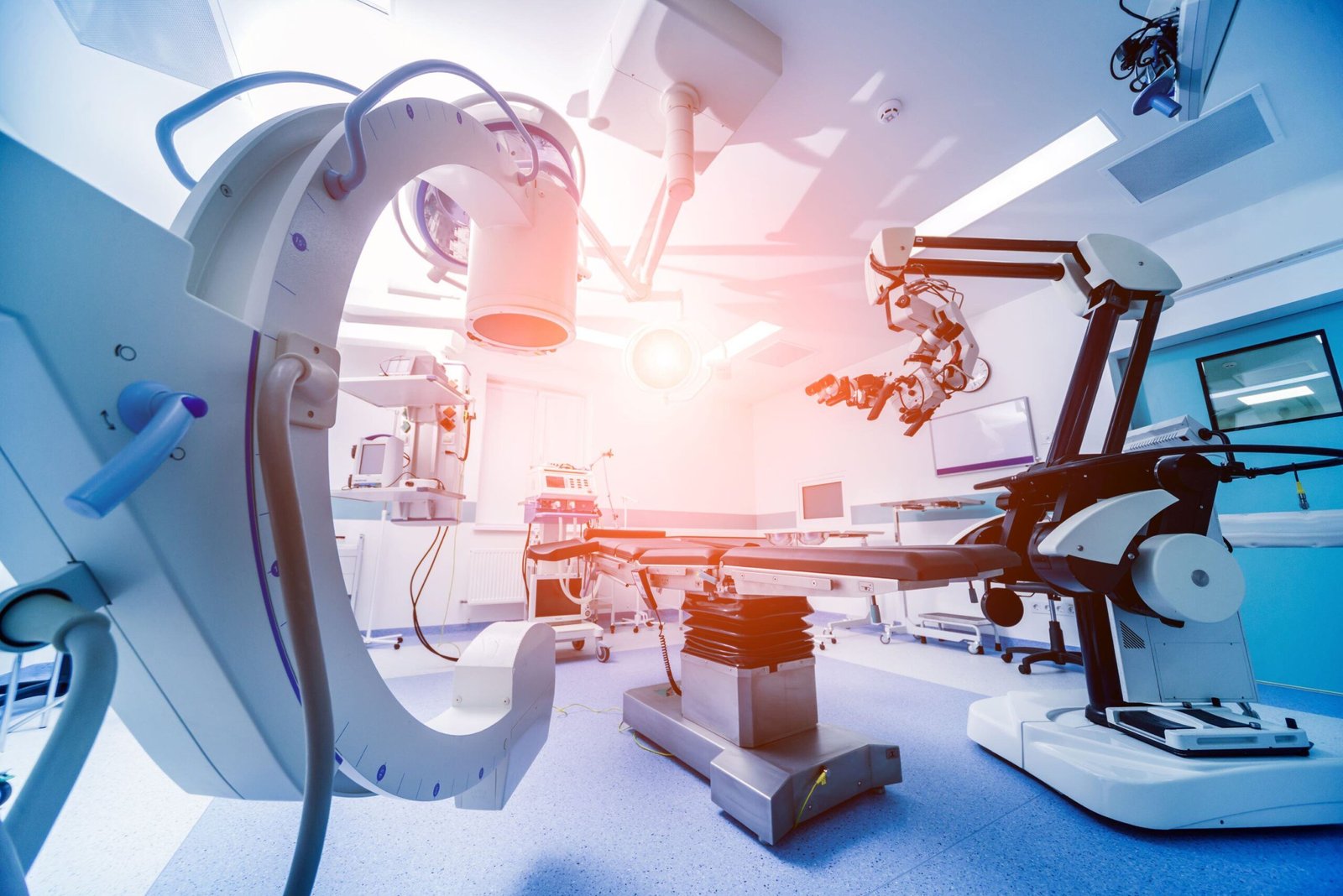
The global demand for pre-owned medical equipment is rising faster than ever. Hospitals, labs, imaging centers, and surgical facilities are now turning to the secondary market to cut costs, upgrade faster, and stay competitive.
As healthcare budgets tighten and technology evolves, the medical equipment resale industry is entering a powerful new era—driven by innovation, global supply shortages, and increased trust in refurbished devices.
This article breaks down the top trends, pricing shifts, and future predictions shaping the medical equipment resale market from 2025 and beyond.
1. Rising Demand for Cost-Effective Medical Equipment
Healthcare providers worldwide are searching for ways to reduce operational costs. Buying new medical equipment can be extremely expensive, especially in imaging, surgical, and laboratory categories.
Why resale is booming:
- New equipment prices are increasing by 8–15% annually
- Hospitals faced financial strain after COVID-19
- Clinics prefer cheaper, high-quality used models
- Insurance reimbursements for medical services are shrinking
Pre-owned and refurbished devices now offer savings between 40–75%, making them the preferred choice for growing facilities.
2. A Global Shift Toward Refurbished Technology
Refurbished medical equipment is no longer considered “second class.”
OEM-trained engineers, certified brokers, and professional refurbishers have elevated the industry.
Modern refurbishment includes:
- Full functional testing
- Replacement of key internal components
- Cosmetic restoration
- Software updates
- Calibration
- Quality assurance reports
This has increased trust—meaning resale demand continues skyrocketing.
3. AI-Powered Diagnostics Increasing Trade-Ins
As AI-driven imaging and diagnostic machines grow, many hospitals are upgrading faster.
That creates a massive increase in trade-in equipment, especially:
- Ultrasound machines
- CT and MRI units
- Analyzers & lab systems
- Endoscopy towers
- Patient monitors
- Surgical power tools
This influx of equipment into the secondary market means more inventory and better pricing for buyers.
4. Pricing Trends in the Medical Equipment Resale Market
The pricing of used medical equipment depends heavily on:
A. Supply availability
More hospitals upgrading = more used inventory = lower prices.
B. Manufacturer popularity
Brands like GE, Olympus, Philips, Storz, Zeiss hold strong resale value.
C. Software compatibility
Devices that support newer software versions sell for more.
D. Global economic conditions
Currency fluctuations affect export pricing.
Future prediction:
Prices for high-demand devices (ultrasound, lab analyzers, endoscopy) will remain stable.
But larger systems (CT, MRI) may fall by 10–20% as more hospitals upgrade to AI-ready units.
5. Growth in Cross-Border Medical Equipment Trade
Africa, Asia, and South America are now the fastest-growing buyers of used equipment due to:
- Smaller budgets
- Rapid expansion of private clinics
- Increased need for diagnostic healthcare
- Favorable import regulations in some countries
Countries like Nigeria, Kenya, Ghana, India, UAE, Mexico, Brazil, and South Africa are becoming major hubs for pre-owned purchases.
6. Regulatory Compliance Will Become Stricter
Governments are increasing oversight.
Future regulations will include:
- Mandatory serial number tracking
- Official inspection certificates
- Import documentation verification
- Refurbishment reports
- Electrical safety tests
This will push out scammers and strengthen professional brokers.
7. Digital Marketplaces Will Dominate the Industry
Just like other industries moved to eCommerce, medical equipment resale is now shifting online.
Trends to expect:
- More online marketplaces for used equipment
- Verified listings and dealer profiles
- Instant price comparison
- Live video inspections
- WhatsApp virtual demonstrations
Buyers will rely more on online verification and global platforms instead of face-to-face transactions.
8. Broker-Based Resale Will Become Standard
Medical brokers are now essential to the resale ecosystem because they handle:
- Sourcing
- Quality inspection
- Negotiation
- Documentation
- Secure shipping
- Technical verification
The future will see more facilities working exclusively with trusted brokers rather than dealing with random sellers.
9. Predictions: What the Next 5 Years Will Look Like
✔ Prices will stabilize for small devices but drop for large systems
Especially MRI, CT, and full lab analyzers.
✔ Refurbished equipment will match OEM quality
More refurbishers using OEM tools and testing procedures.
✔ Demand in Africa and Asia will explode
These regions are becoming global medical expansion hotspots.
✔ Online inspections will replace physical inspections
WhatsApp/Zoom demos will become standard.
✔ Global shipping networks will improve
More brokers will offer packaging, crating, and customs clearing services.
Final Thoughts: The Future Looks Strong
The medical equipment resale industry is entering its most profitable decade ever.
More hospitals are upgrading faster, creating a consistent flow of quality pre-owned devices for buyers worldwide.
Businesses that adapt early—especially those working with reliable brokers—will gain huge benefits in pricing, access, and quality.
If you’re looking to buy or sell medical equipment, Global Med Brokers provides:
- Verified equipment
- High-quality inspection
- Safe shipping worldwide
- Competitive pricing
- Professional guidance

 All products